
Aging & Biopsychosocial Innovations
Aging & Biopsychosocial Innovations (ABI) is a research program founded in 2019, which aims to understand how stress and social contexts affect health. ABI also examines the biophysical factors that account for these links, using a multidisciplinary research approach.

Data Science for Dynamic Intervention Decision-Making Center (d3c)
The Data Science for Dynamic Intervention Decision-Making Center (d3c) is an interdisciplinary collective of data scientists revolutionizing the design and delivery of interventions in healthcare and education.
Demography of Aging, Disability, and Care (DADC)
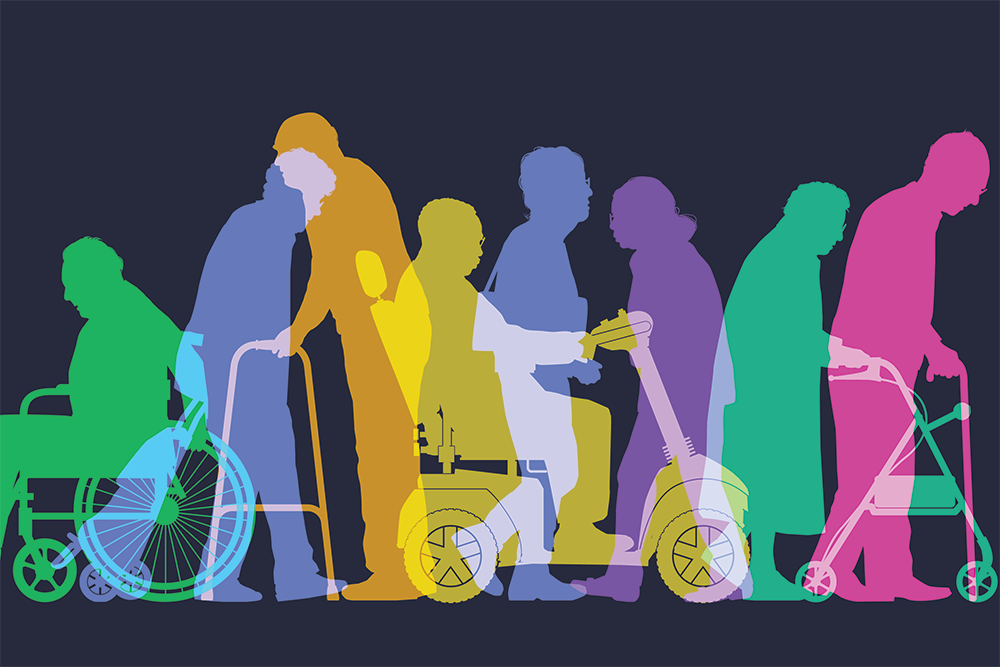
The Demography of Aging, Disability and Care program focuses on population aging, disability, and long-term care and related measurement and survey issues. The program provides leadership for several national studies of late-life disability and care. The program also supports the Michigan Center on the Demography of Aging (MiCDA), one of 15 centers funded by the National Institute on Aging (NIA) to advance research on the demography of aging.
Education and Well-Being (EWB)
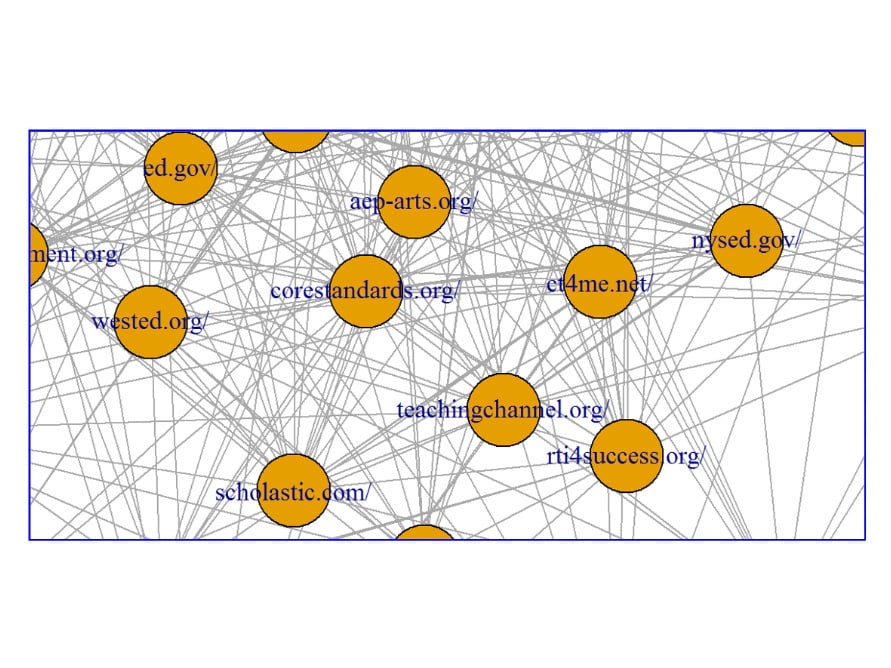
The Education and Well-Being (EWB) program was established in 2008 to advance research focused on improving the teaching of reading and mathematics, particularly in schools serving high percentages of students in poverty. Contributions of EWB include the development of innovative methods for studying the “inner workings” of schools and strengthening the role of survey research in education.
Health and Retirement Study
The Health and Retirement Study (HRS) is a long-running study that examines middle-aged and older adults in the US, producing data that is used both domestically and internationally. As a panel survey, HRS follows approximately 20,000 U.S. adults, some of whom have participated in the study for 30 years, through the retirement and aging process.
Institute for Research on Innovation and Science (IRIS)
The Institute for Research on Innovation and Science (IRIS) is the core data facility of a national consortium of universities. IRIS brings social and information scientists interested in topics pertaining to science policy together with university administrators to build a scientific framework and national data infrastructure that enable research on the process, products, and social and economic impact of research conducted on university campuses.

International Research Hub
The International Research Hub is a joint program between the Survey Research Center and the Population Studies Center. It was created in 2025 to support University of Michigan faculty and staff working on international research, with an emphasis on data collection and representative studies of general populations.
Landscapes of Population Health
Landscapes of Population Health (“Landscapes”) is an interdisciplinary research team of historians, social-behavioral scientists , and statisticians, merging expertise in the study of American society, population health, and cutting-edge data science. Through our collaborations, we aim to clarify the social drivers and biological mechanisms that underlie variation in population health.
Life Course Development
Founded in 1957, Life Course Development (LCD) aims to expand knowledge of social relationships across the lifespan and their implications for mental and physical health. LCD examines a wide variety of relationships, identifying the aspects of relationships that are most beneficial and/or harmful to health and whether these associations vary by demographic and contextual factors. With this knowledge, the program hopes to help in the design and implementation of intervention and prevention programs.
Monitoring the Future
Monitoring the Future (MTF) is a study founded in 1975, focusing on epidemiological and etiological research. In addition to being a basic research study, MTF is one of the nation’s leading sources for information on tobacco, alcohol, and illicit drug use in adolescents and young adults.
Panel Study of Income Dynamics
Founded in 1968, the Panel Study of Income Dynamics PSID is the world’s longest-running household panel survey. It has made way for the study of dynamism in social and behavioral processes, resulting in over 4,000 peer-reviewed publications. The National Science Foundation, the study’s lead sponsor, named PSID as one of its 60 most significant innovations.

Population, Neurodevelopment & Genetics
The Population, Neurodevelopment and Genetics Program (PNG) is a pioneer and leader in forging linkages across disciplinary perspectives. In addition to the program’s current effort to link developmental, cognitive, clinical, public health, and educational science with neurobiology and genetics, we continue to expand our portfolio and involve new research scholars in other health- and development-related topics from prenatal/infancy through adolescence and on to adulthood and aging, (e.g., cognition, substance use, mental health, problem behavior, environmental toxicants), providing opportunities for synergy and integration of new ideas in the relevant fields.
Social Environment & Health
Social Environment & Health (SEH), founded in 1962, is a leader in the development of theory and research on the role of psychosocial factors in the etiology and course of both mental and physical health and illness. SEH specializes in integrating knowledge from across multiple disciplines and using cutting-edge methods to characterize the social and environmental contexts in which people live their lives.
Stone Center for Inequality Dynamics
The James M. and Cathleen D. Stone Center for Inequality Dynamics (CID) was founded at the University of Michigan Institute for Social Research in 2019. The mission of CID is to: produce cutting-edge research on social inequality, especially wealth inequality, train the next generation of inequality scholars, and build data infrastructure and increase data accessibility.

Survey Methodology Program
The Survey Methodology Program (SMP) was established within SRC in 1992 with the explicit aim of creating a multidisciplinary team to focus on research methodology. Thus, the SMP draws upon a range of disciplines including social psychology, cognitive psychology, sociology, statistics, and computer science.

Survey Research Operations
Survey Research Operations (SRO) is the data collection unit within the Survey Research Center and the largest academic based survey research organization in the country. We offer comprehensive survey design, project management, sampling, data collection, and data processing services for researchers both within and beyond the U-M community. SRO collects cross-sectional and longitudinal data from local, regional, and national study populations, and we are devoted to innovative and high quality measurement, data collection, and implementation of survey methodology in the social sciences.
Surveys of Consumers
Founded in 1946, the Surveys of Consumers (SCA) promotes the importance of consumer spending and saving decisions in determining the course of the national economy. Each month, the survey interviews a minimum of 800 people to collect samples representative of all American households. SCA is proven to be an accurate indicator of the national economy’s future course.
Urban & Environmental Studies
Urban & Environmental Studies (UES) focuses on the cultural issues of sustainability and climate change in institutional settings including universities and the impact of the built and natural environments on quality of life. In collaboration with U-M’s Graham Sustainability Institute, UES initiated the Sustainability Cultural Indicators Program in 2012. This is a comprehensive study designed to assess sustainability knowledge, behaviors, and attitudes across U-M students, faculty, and staff over time.

Youth Policy Lab
The University of Michigan Youth Policy Lab is a partnership between Gerald R. Ford School of Public Policy and the Survey Research Center at the Institute for Social Research. The Youth Policy Lab helps community and government agencies make better decisions by measuring what really works.