
The Survey Research Center (SRC) was established in August 1946 by the University of Michigan Board of Regents. SRC’s original faculty founders believed that social behavior could be understood in terms of attitudes and motivational behaviors, and that links could be formed between an academic culture and the applied research of business and government. Research involving the collection and analysis of data from scientific sampling centers this work. Given its unique origins, SRC was established by the University of Michigan with certain caveats: (1) the center would be funded from outside sources, (2) it would retain its indirect costs to support its administrative functions, and (3) it could appoint its research faculty without academic faculty tenure. Those provisions remain in effect today and are the cornerstones of the center’s unique entrepreneurial culture within the university and among its peers nationwide.
Establishment of the Survey Research Center
On June 21, 1946, the University of Michigan Regents approved the establishment of the Social Science Surveys Project. The name was changed to the Survey Research Center, to be administered under the direction of Dr. Rensis Likert.
Read the entry in the Regents' September special meeting minutes.
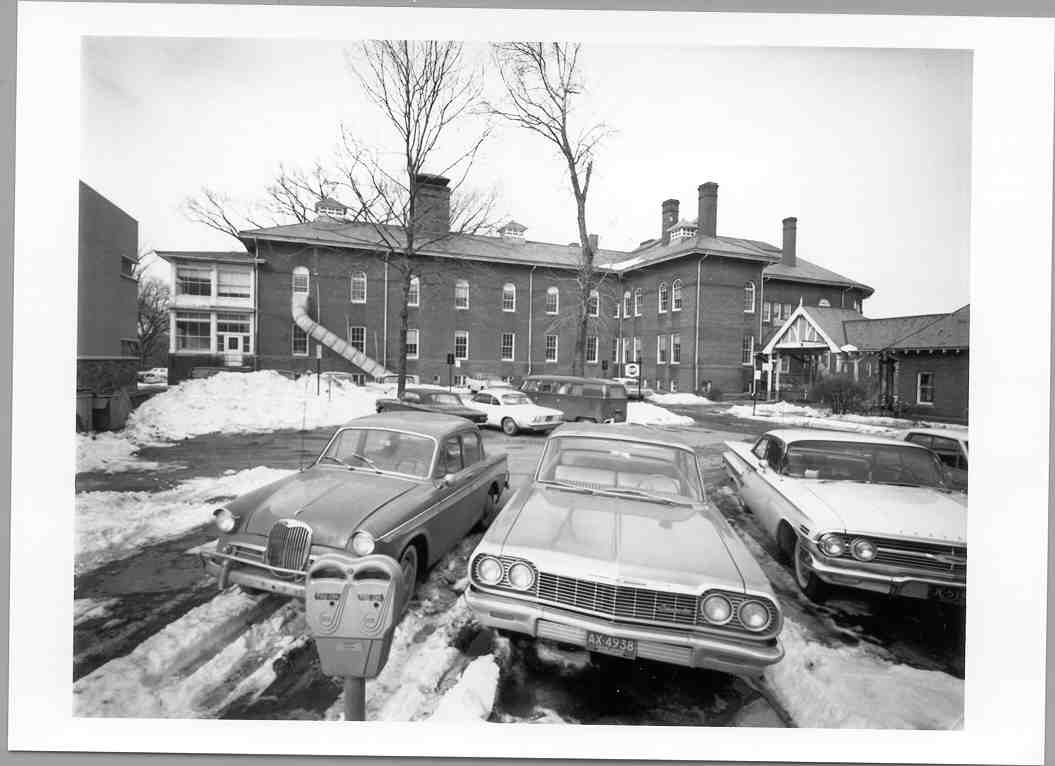
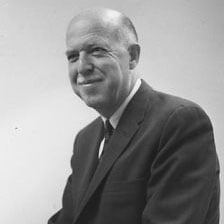
Rensis Likert, Director 1946-1948
Encouraged by the University of Michigan, Likert (1903–1981), Angus Campbell, and others came to Ann Arbor in 1946 to set up the Survey Research Center, one of the units out of which the Institute for Social Research ultimately evolved. Likert was an organizational psychologist and developer of the Likert Scale, a widely used approach to scaling responses in survey research. Likert also developed a system for identifying organizational styles, ranging from System 1 (Exploitive Authoritative) to System 4 (Participative Group) and the use of open-ended questioning in survey research, a new technique in the 1930s when close-ended questions were used as attempt to keep surveys objective.
Likert was known for his support of interdisciplinary collaborations and emphasis on using social science research to effect positive change.
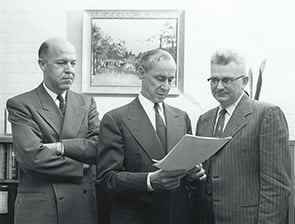
Surveys of Consumers (SCA)
Founded in 1946, the Surveys of Consumers (SCA) promotes the importance of consumer spending and saving decisions in determining the course of the national economy. Each month, the survey interviews a minimum of 800 people to collect samples representative of all American households. SCA is proven to be an accurate indicator of the national economy’s future course.

Angus Campbell, Director 1948-1970
Angus Campbell (1910–1980) was one of a group of scholars dedicated to establishing a new kind of survey research facility in a university setting. Campbell was most closely associated with survey research in three areas: political behavior, racial attitudes, and quality of life studies. He directed a long-time study in political elections that began with the 1948 presidential election. For this and later succeeding studies, Campbell became known as a nationally recognized expert in the field of political surveys.
Following his time as SRC director, he succeeded Rensis Likert as ISR director.
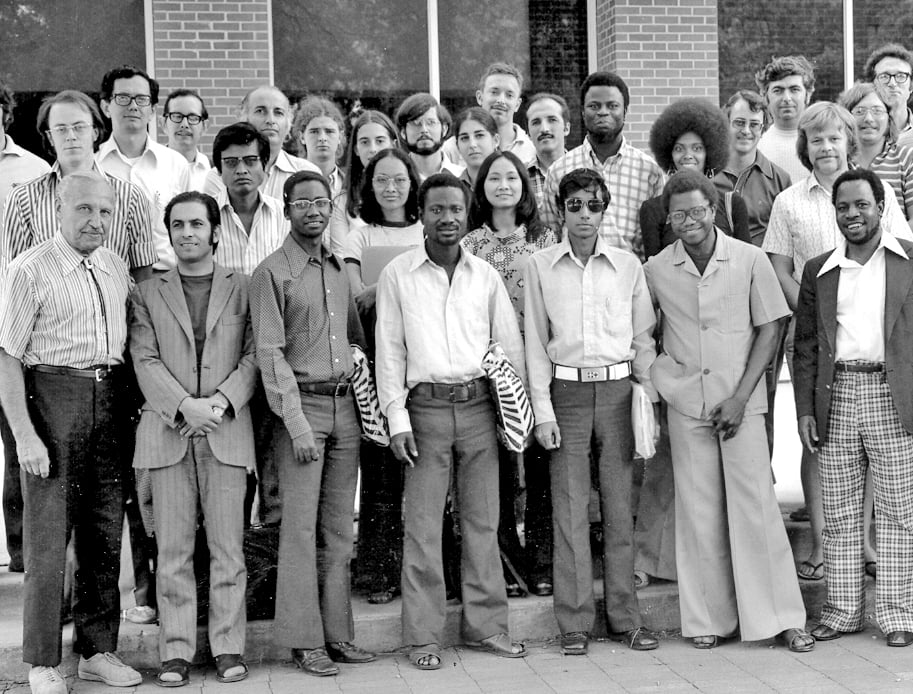
The Summer Institute in Survey Research Techniques
SRC created the Summer Institute to provide quality graduate training in all aspects of survey research to individuals in areas including business, public health, natural resources, law, medicine, and social work. During the institute's 62 years, more than 10,000 students from more than 105 countries have taken the graduate-level courses teaching the design, implementation, and analysis of surveys. (Photo not from 1948 class.)
Michigan Election Studies
Angus Campbell and Robert Kahn oversaw a national pilot study of opinions about foreign affairs that, based on two questions, revealed that the presidential race between Harry Truman and Thomas Dewey—predicted to be a Dewey landslide—was actually too close to call. The insights gleaned from that first study convinced social scientists of the need to do more voting behavior research. In 1952, Campbell and Warren Miller developed the study into a two-part time series survey, known as the Michigan Election Studies; the series covered every presidential and midterm election between 1956 and 1976. In 1977, with major funding from the National Science Foundation, the Michigan Election Studies became the National Election Studies and continued the unbroken series of election surveys with greater participation by the national research community. In 2005, the studies were renamed the American National Election Studies, managed by a multi-university collaboration headed by ISR and Stanford University. Photo: At St. Louis Union Station, postmaster Bernard Dickmann (left) stands next to newly elected President Harry S. Truman as Mr. Truman holds up the famous Chicago Tribune newspaper headline "Dewey Defeats Truman." November 5, 1948. Photo credit: campaign scrapbook of Harry S. Truman, trumanlibrary.org

Establishment of ISR
The Survey Research Center and the Research Center for Group Dynamics joined on Feb. 1 to form the Institute for Social Research, launching the nation's leading academic laboratory for social science research. The new enterprise, said University of Michigan President Alexander Ruthven, would more effectively "bring to bear quantitative and experimental research methods on complex and important social problems."
The Detroit Area Study
Conceived of by Angus Campbell and Ronald Freedman, and run by ISR and Michigan's Sociology Department, the Detroit Area Study provided an unusual opportunity to do basic social science research, train graduate students, and produce social science data of use to the Detroit community. Under the guidance of faculty investigators, students in the three-semester course conceptualized a problem, designed and pre-tested survey questions, drew samples, and conducted door-to-door interviews in the Detroit area, then coded and analyzed the data. The course was discontinued in 2002 after more than 50 years, but the training laboratory lives on through its former students around the world. Read the 1955 publication "A Social Profile of Detroit: A report of the Detroit Area Study of the University of Michigan".

Growth of American Families Survey
Under the direction of Ronald Freedman, SRC conducted the first major surveys of fertility and family planning in the United States. The Growth of American Families Survey paved the way for the National Fertility Survey, and later the National Survey of Family Growth.
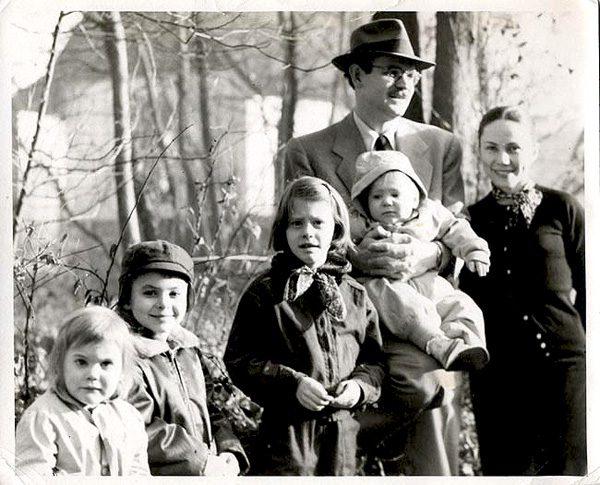
Life Course Development (LCD)
Founded in 1957, Life Course Development (LCD) aims to expand knowledge of social relationships across the lifespan and their implications for mental and physical health. LCD examines a wide variety of relationships, identifying the aspects of relationships that are most beneficial and/or harmful to health and whether these associations vary by demographic and contextual factors. With this knowledge, the program hopes to help in the design and implementation of intervention and prevention programs.

Sampling Program for Foreign Statisticians
In an early move to deepen ISR's engagement with the international community, Leslie Kish founded an intensive eight-week summer program to offer graduate coursework to survey statisticians from developing nations. During its 48-year history, the program has trained more than 500 samplers from some 105 countries.
Social Environment & Health (SEH)
Social Environment & Health (SEH), founded in 1962, is a leader in the development of theory and research on the role of psychosocial factors in the etiology and course of both mental and physical health and illness. SEH specializes in integrating knowledge from across multiple disciplines and using cutting-edge methods to characterize the social and environmental contexts in which people live their lives.

Survey Sampling
Leslie Kish's overview of sampling techniques, including many of the technical procedures and methodological innovations that made surveys, censuses, and political polls more accurate, was widely considered the "bible" of the field.

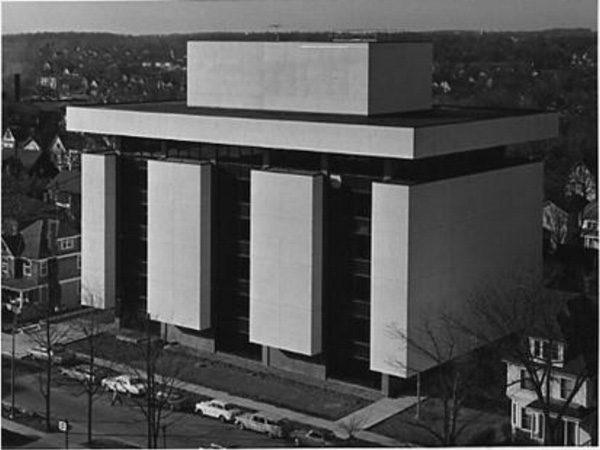
Thompson Street Building
After occupying four locations in less than 20 years, ISR moved into its own building, which included a set of laboratories for conducting experiments on groups, the first such labs on the Michigan campus. Large wings were added to the original building in 1976 and 1989 as the institute continued to grow, and a geometric sculpture, Convergence, was set in front in 1990. By 1998, the institute had outgrown the building again, forcing certain operations into rental space.
Panel Study of Income Dynamics (PSID)
Founded in 1968, the Panel Study of Income Dynamics PSID is the world’s longest-running household panel survey. It has made way for the study of dynamism in social and behavioral processes, resulting in over 4,000 peer-reviewed publications. The National Science Foundation, the study’s lead sponsor, named PSID as one of its 60 most significant innovations.

Urban & Environmental Studies (UES)
Urban & Environmental Studies (UES) focuses on the cultural issues of sustainability and climate change in institutional settings including universities and the impact of the built and natural environments on quality of life. In collaboration with U-M’s Graham Sustainability Institute, UES initiated the Sustainability Cultural Indicators Program in 2012. This is a comprehensive study designed to assess sustainability knowledge, behaviors, and attitudes across U-M students, faculty, and staff over time.
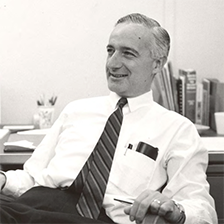
Robert Kahn, Director 1970-1976
Kahn (1918–2019) was internationally recognized for his research on organizations and as a survey research methodologist. His “Social Psychology of Organizations,” published in 1966, redefined the field of organizational psychology and inspired future research in the field by other investigators.
After his retirement from active faculty, he continued to focus on his research. In 1991, he was elected to the American Academy of Arts and Sciences and in 2002 to the National Academy of Medicine, two of the nation’s most prestigious scholarly and scientific societies.
Computer-Assisted Interviewing
In order to make its phone interviewers more productive and to allow them to pose questions in more complicated sequences, ISR became one of the first academic survey organizations to use computer-assisted telephone interviewing, in which interviewers enter information directly into a computer. ISR expanded this approach in the early 1990s with computer-assisted personal interviewing, outfitting interviewers with laptops for face-to-face interviews.

Monitoring the Future (MTF)
Monitoring the Future (MTF) is a study founded in 1965, focusing on epidemiological and etiological research. In addition to being a basic research study, MTF is one of the nation's leading sources for information on tobacco, alcohol, and illicit drug use in adolescents and young adults.

Stephen Bassett Withey, Director 1976-1982
Withey held appointments in SRC, the Department of Psychology, and the Department of Communication at Michigan. He applied social–psychological theory and quantitative methods to research into public perceptions and attitudes toward big business, science, and technology; the values and behavior of adolescents; and the effects of mass media on social behavior. Withey also included perceived life-satisfaction measures in his survey methods. His 1976 book with Frank Andrews, “Social Indicators of Well-Being in America,” remains a classic work in survey methodology.

Centralized Telephone Interviewing
As telephone interviews—which were seen as more economical and efficient—began to replace face-to-face interviews as the most common survey research methodology, SRC created its first centralized telephone interviewing facility on the first floor of the Thompson building. The original facility, consisting of 18 carrels, expanded and moved within the building and then off site; became part of the Survey Research Operations; and eventually relocated to the Perry Building.
Survey Research Operations (SRO)
Survey Research Operations (SRO) is the data collection unit within the Survey Research Center and the largest academic based survey research organization in the country. We offer comprehensive survey design, project management, sampling, data collection, and data processing services for researchers both within and beyond the U-M community. SRO collects cross-sectional and longitudinal data from local, regional, and national study populations, and we are devoted to innovative and high quality measurement, data collection, and implementation of survey methodology in the social sciences.

Questions and Answers in Attitude Surveys
This influential book by Howard Schuman and Stanley Presser, of the University of Maryland, provided a comprehensive overview of survey research methodology, including chapters on Open Versus Closed Questions, The Assessment of No Opinion, The Acquiescence Quagmire, and Tone of Wording.

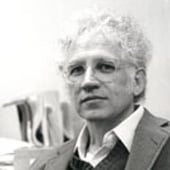
Howard Schuman, Director 1982-1990
Howard Schuman (1928–2021) was a research scientist at SRC and a sociology professor at U-M’s College of Literature, Science, and the Arts. Schuman’s research concerned the quality of the question-answer process in large scale surveys; changes in racial attitudes over time; and the effects of generational experience on collective memory.
Schuman served as director of the Detroit Area Study in the Senate Assembly, and on the Rackham Graduate School’s Divisional Board for the Social Sciences
Health and Retirement Study (HRS)
Founded in 1990, the Health and Retirement Study (HRS) is a long-running study that examines middle-aged and older adults in the U.S., producing data that has been used both domestically and internationally. As a panel survey, HRS continues to follow approximately 20,000 U.S. adults, some of whom have participated in the study for 30 years, through the retirement and aging process.

James House, Director 1991-2001
House’s research career has focused on the role of social and psychological factors in health and illness, initially on occupational stress and health. He has been founding principal investigator or co-principal Investigator of the Americans’ Changing Lives, the Changing Lives of Older Couples, and the Chicago Community Adult Health studies. His most recent book — Beyond Obamacare: Life, Death and Social Policy — was published by the Russell Sage Foundation in June, 2015.
House was one of the first scholars to look beyond the biological determinants of health, starting with his research on work stresses and coronary heart disease in the 1970s. He is a member of the American Academy for the Advancement of Science, the American Academy of Arts and Sciences, and the National Academy of Science.

Survey Methodology Program
The Survey Methodology Program (SMP) was established within SRC in 1992 with the explicit aim of creating a multidisciplinary team to focus on research methodology. Thus, the SMP draws upon a range of disciplines including social psychology, cognitive psychology, sociology, statistics, and computer science.

Quantitative Methodology Program/Data Science for Dynamic Intervention Decision-Making Center (d3c)
The Data Science for Dynamic Intervention Decision-Making Center (d3c) received a five-year P50 Center of Excellence award from the National Institute of Drug Abuse to launch the Center for Methodologies for Adapting and Personalizing Prevention, Treatment, and Recovery Services for Substance Use Disorder and HIV Center (MAP).

Robert Groves, Director 2001-2009
Groves served as a sociology professor of at the U-M and a senior research scientist at ISR. He founded the Joint Program in Survey Methodology at SRC, the first graduate program in the nation to offer master and PhD degrees in survey methodology.
Following his time at Michigan, Groves served as director of the U.S. Census Bureau (presidential appointment with Senate confirmation). He is a member of the National Academy of Sciences and of the National Academy of Medicine, and the American Academy of Arts and Sciences.
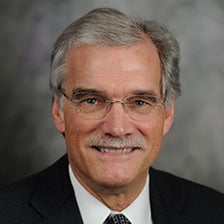
Detroit Area Study: Quality of Community Life
Robert Marans was principal investigator of the 50th DAS, which built on questions posed in 1966, 1974, and 1980 to examine changes over time in the public's perceptions of various aspects of community life, including transportation, recreation, housing, and residential mobility. The survey showed satisfaction declines in many categories, but a stable 83 percent of residents surveyed in Wayne, Oakland, and Macomb counties reported satisfaction with their lives as a whole. DAS 2001 differed from previous studies in that it expanded the survey to four additional metro counties. It also linked survey responses to contextual data from the U.S. Census and other sources using geographic information systems (GIS). Marans is currently working with international researchers to adapt the survey to local conditions that allow for cross-national comparisons.
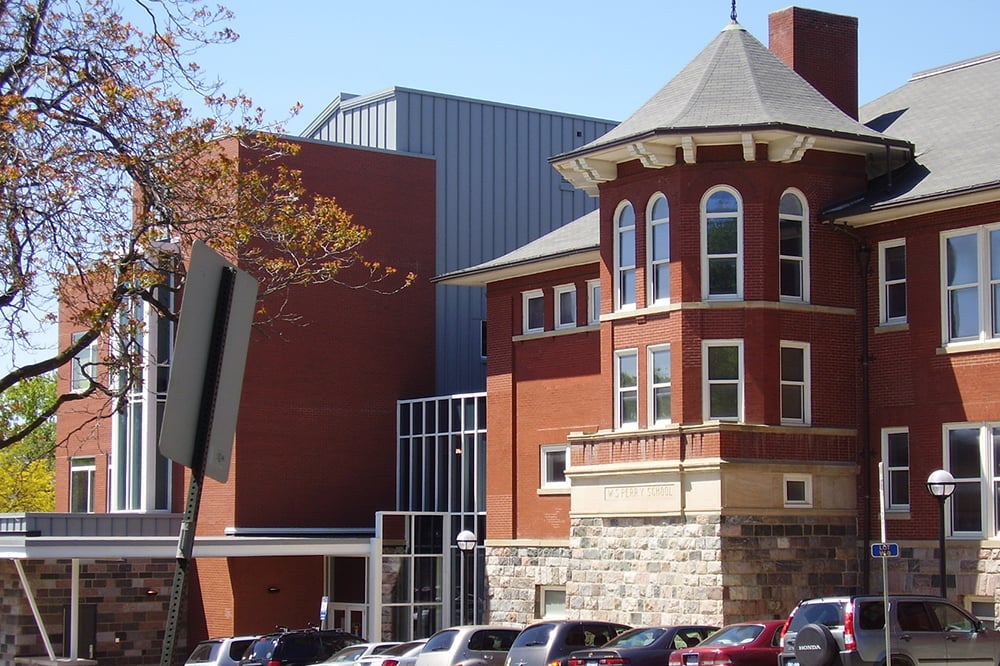
Perry Building
Having grown beyond the available space in the Thompson Street building, ISR expanded into newly renovated space in the former W.S. Perry School, a short walk away. Operations at Perry include ICPSR, SRC's Survey Research Operations, the Center for Advancing Research & Solutions for Society, a focus group facility, and classrooms for the Program in Survey Methodology and the ISR Summer Institute.
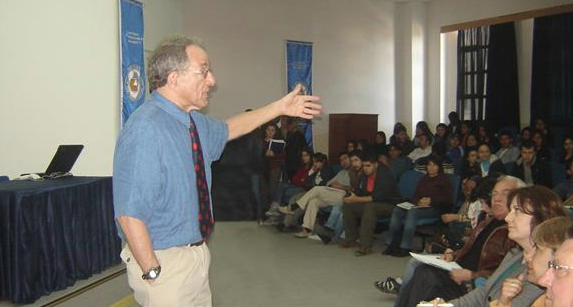
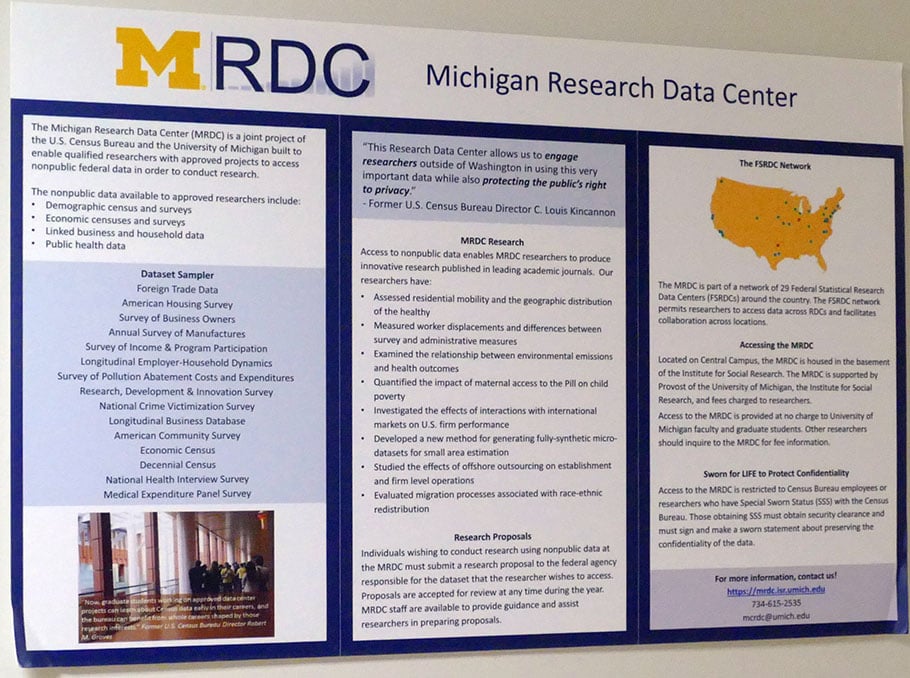
Michigan Census Research Data Center
The U.S. Bureau of the Census and SRC jointly created this center to allow qualified researchers with approved projects to have limited access to confidential economic, demographic, and public health microdata. The center lets researchers analyze non-public data on individuals, households, establishments, and firms under strict safeguards that ensure the Census Bureau's standards for confidentiality are maintained.
Education and Well-Being
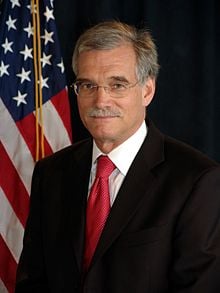
The Education and Well-Being (EWB) program was established in 2008 to advance research focused on improving the teaching of reading and mathematics, particularly in schools serving high percentages of students in poverty. Contributions of EWB include the development of innovative methods for studying the “inner workings” of schools and strengthening the role of survey research in education.
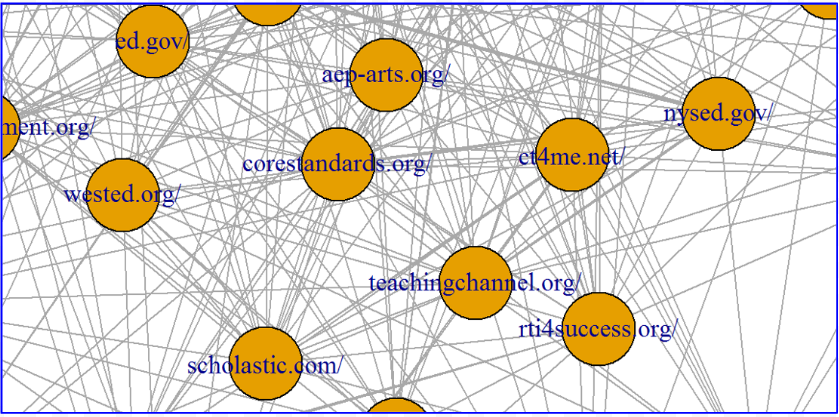
William Axinn, Director 2009-2014
Axinn is a professor of survey research, population studies, sociology and public policy at the University of Michigan. His work in social demography centers on community, intergenerational, and social psychological influences on marriage, childbearing, reproductive health, mental health, and the natural environment.
Axinn also studies new techniques for the collection of social science data. He serves as director of the Chitwan Valley Family Study, a mixed method, longitudinal study in Nepal and is the inaugural Ronald and Deborah Freedman Director of the International Research Hub.

Robert Groves Confirmed as Director of the U.S. Census
On April 2, 2009, President Barak Obama nominated Robert Groves to head the U.S. Census Bureau. He took office July 15, 2009 and managed the 2010 Census. Groves served as director until August 2012.
Sustainability Cultural Indicators Project
SRC, in partnership with Graham Sustainability Institute, designed a study to assess sustainability knowledge, behaviors, and attitudes across U-M students, faculty, and staff over time. This groundbreaking effort, known as the Sustainability Cultural Indicators Program (SCIP), aims to inform educational programs, campus operations, and people at the University about sustainability culture.
Population, Neurodevelopment & Genetics (PNG)
The Population, Neurodevelopment and Genetics Program (PNG) is a pioneer and leader in forging linkages across disciplinary perspectives. In addition to the program’s current effort to link developmental, cognitive, clinical, public health, and educational science with neurobiology and genetics, we continue to expand our portfolio and involve new research scholars in other health- and development-related topics from prenatal/infancy through adolescence and on to adulthood and aging, (e.g., cognition, substance use, mental health, problem behavior, environmental toxicants), providing opportunities for synergy and integration of new ideas in the relevant fields.

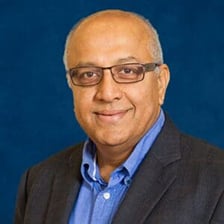
Trivellore Raghunathan, Director 2014-2019
Raghunathan is a research professor at SRC and a biostatistics professor at the School of Public Health. He serves as an associate director of the Center for Research on Ethnicity, Culture and Health. Raghunathan’s research interests are in the analysis of incomplete data, multiple imputation, Bayesian methods, design and analysis of sample surveys, small area estimation, confidentiality and disclosure limitation, longitudinal data analysis and statistical methods for epidemiology.
Institute for Research on Innovation and Science (IRIS)
The Institute for Research on Innovation and Science (IRIS) is the core data facility of a national consortium of universities. IRIS brings social and information scientists interested in topics pertaining to science policy together with university administrators to build a scientific framework and national data infrastructure that enable research on the process, products, and social and economic impact of research conducted on university campuses.

The ISR BioSpecimen Lab
The biospecimen facility is designed to inventory, analyze, and provide short-term storage of biological samples collected by ISR researchers. This continues ISR’s leadership in the collection and analysis of representative, population-based data with the goal of providing social science in the public interest.

Youth Policy Lab
The University of Michigan Youth Policy Lab is a partnership between Gerald R. Ford School of Public Policy and the Survey Research Center at the Institute for Social Research. The Youth Policy Lab helps community and government agencies make better decisions by measuring what really works.

HRS takes venous blood samples
HRS collects venous blood for the first time in 2018 from panel respondents in a separate home visit by a trained phlebotomist in order to provide a substantially fuller picture of the health of a representative sample of older people, such as their immune health and indicators of physiological dysregulation.
Stone Center for Inequality Dynamics
The James M. and Cathleen D. Stone Center for Inequality Dynamics (CID) was founded at the University of Michigan Institute for Social Research in 2019. The mission of CID is to: produce cutting-edge research on social inequality, especially wealth inequality, train the next generation of inequality scholars, and build data infrastructure and increase data accessibility.

Demography of Aging, Disability, and Care (DADC)
The Demography of Aging, Disability, and Care program focuses on population aging, disability, and long-term care and related measurement and survey issues. The program provides leadership for several national studies of late-life disability and care.

Aging & Biopsychosocial Innovations (ABI)
Aging & Biopsychosocial Innovations (ABI) is a research program founded in 2019 with the goal of understanding how stress and social contexts affect health. ABI also examines the biophysical factors that account for these links, using a multidisciplinary research approach.

Matthew Shapiro, Director 2019-2023
Shapiro holds appointments in the Department of Economics and as a research professor at SRC. Shapiro's general area of expertise is macroeconomics. In his research, he focuses on investment and capital utilization, business-cycle fluctuations, consumption and saving, financial markets, fiscal policy, monetary policy, time-series econometrics, economics of aging, economic measurement, and survey methodology.
Shapiro is a member of the Academic Advisory Council of the Federal Reserve Bank of Chicago. He served as the chair of the Federal Economic Statistics Advisory Committee, the official advisory committee of the Census Bureau, the Bureau of Labor Statistics, and the Bureau of Economic Analysis. He served as senior economist at the Council of Economic Advisers with responsibilities for macroeconomic analysis and the weekly economic briefing of the President.
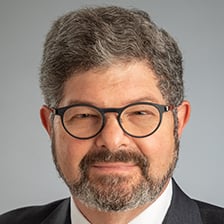
James Wagner, interim Director 2023-2024
Wagner is a research professor at SRC with expertise in nonresponse and methods for addressing it during data collection. In particular, he has focused on the use of responsive and adaptive designs for controlling nonresponse. He has also worked on statistical decision rules for supporting these types of designs. He has served as a consultant to several federal statistical agencies on methods for improving data quality.
Landscapes of Population Health
Landscapes of Population Health (LPH) links humanist and social science theories to biological mechanisms. LPH houses an interdisciplinary team, including historians, philosophers, psychologists, exposure scientists, epidemiologists, and statisticians, all of whom integrate their expertise from their given field.

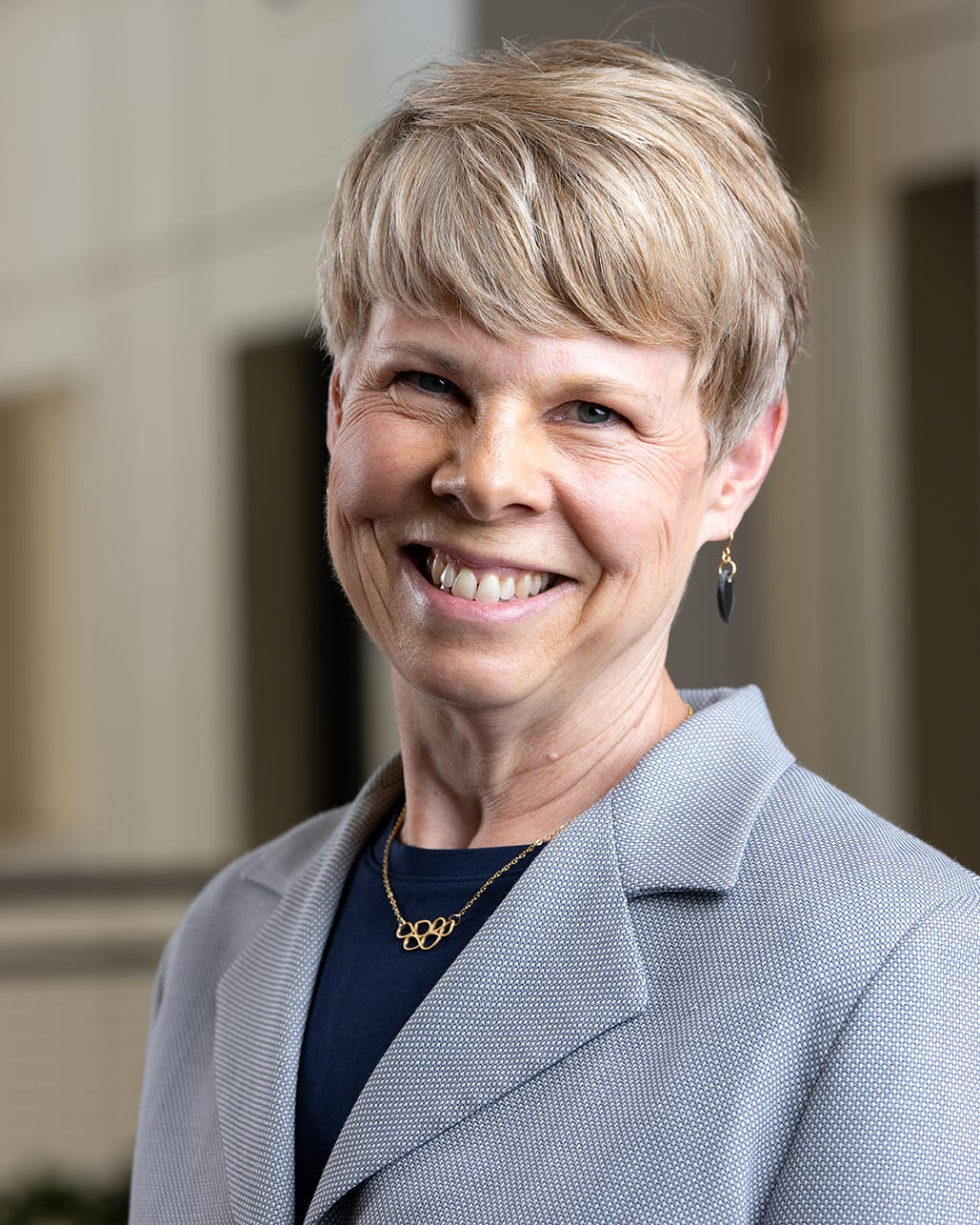
Pamela Davis-Kean, Director 2024-present
Davis-Kean is a psychology professor at the College of Literature, Science, and the Arts and a research professor at SRC and Research Center for Group Dynamics. Her research examines the various pathways that socioeconomic status (SES) of parents relates to the outcomes of their children. Her primary focus is on parental educational attainment and how it can influence the structure of the home environment and changes in cognitive outcomes in individuals throughout childhood, adolescence, and the transition to adulthood. She started her University of Michigan career at SRC as a research investigator with the Panel Study of Income Dynamics where she was hired to create and manage the Child Development Supplement. In 2025, Davis-Kean was elected to a three-year term as president of the Association of Psychological Science.
International Research Hub
The International Research Hub is a joint program between the Survey Research Center and the Population Studies Center. It was created in 2025 to support University of Michigan faculty and staff working on international research, with an emphasis on data collection and representative studies of general populations.
